9 St. Patrick’s Day Facts – History, Traditions, and Irish Legends
Let’s Have a Wee Bit of Fun!
Every March, people dust off their “Kiss Me, I’m Irish” pins, wear green, and look for ways to celebrate St. Patrick’s Day, and even if it isn’t one of the biggest holidays in your home, it’s still a wonderful excuse to do something a little different, learn something new, and create a few fun memories with your family.
Sometimes the best way to enjoy a holiday is simply learning the story behind it.
Here are 9 fun St. Patrick’s Day facts that make the holiday a little more interesting.
(And if you want to add even more fun to the day, don’t miss our Leprechaun Trap craft and St. Patrick’s Day activity ideas below.)
1. Did St. Patrick Really Drive the Snakes Out of Ireland?
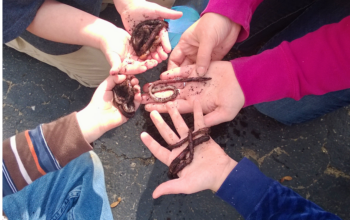
Legend says Saint Patrick drove all the snakes out of Ireland. In reality, scientists say snakes likely never lived there at all. The island’s climate has been too cool for them to thrive, and fossil evidence suggests snakes never existed there.
Most historians believe the “snakes” were actually a metaphor for pagan beliefs that were replaced as Christianity spread through Ireland.
2. Why Are Clovers Connected to St. Patrick?
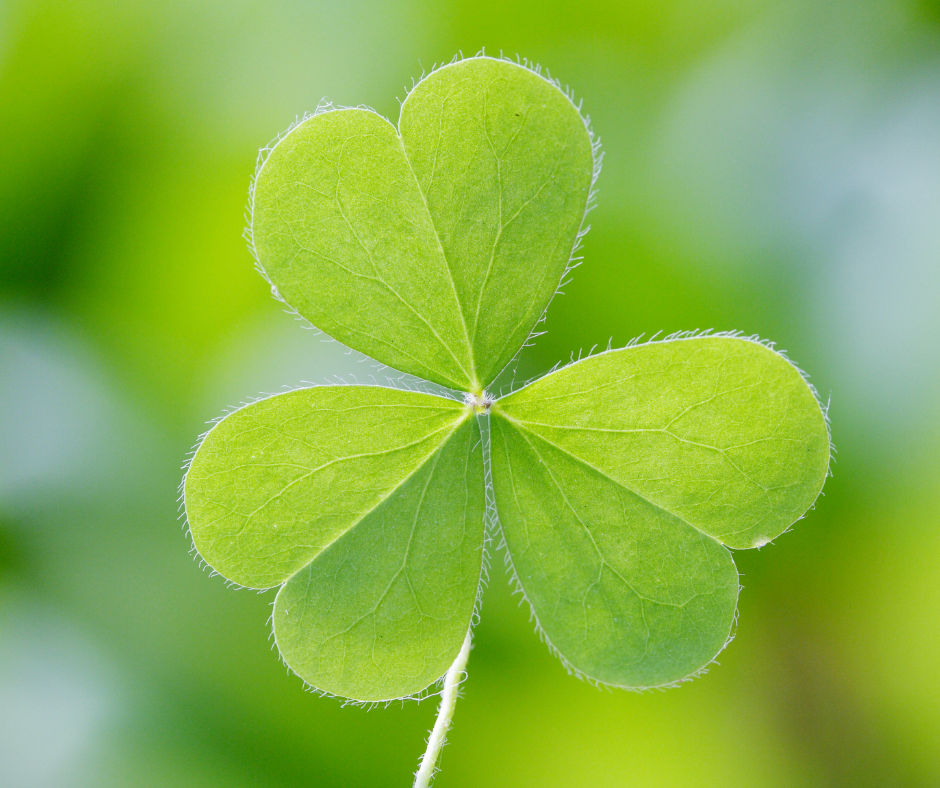
The shamrock (a three-leaf clover) became associated with St. Patrick because it was said he used it to explain the Holy Trinity.
Three leaves. One plant.
Perhaps, the pagan rulers of Ireland thought Patrick to be convincing because they converted to Christianity.
It was a simple way to illustrate how the Father, Son, and Holy Spirit are separate but one. While four-leaf clovers may symbolize luck today, the original connection was actually the three-leaf shamrock.
3. Was St. Patrick Irish? Is St. Patrick’s Day an Irish Holiday?
Surprisingly, St. Patrick wasn’t actually Irish.
He was born in Roman Britain (likely modern-day Scotland or Wales) and his birth name was Maewyn Succat. After becoming a priest, he later adopted the name Patricius.
As a teenager, he was kidnapped by Irish raiders and taken to Ireland as a slave, where he spent several years tending sheep. After escaping and returning home, he eventually became a Christian missionary and chose to return to Ireland to share the faith that had become important to him.
So, while he wasn’t Irish by birth, Ireland became the place where he devoted his life’s work.
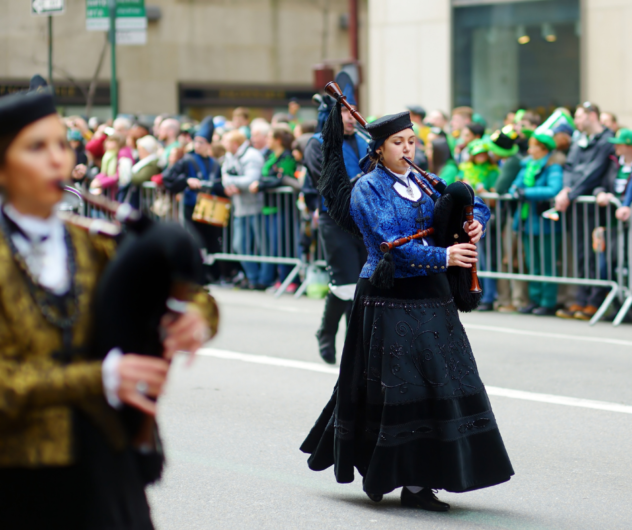
Interestingly, some of the earliest large St. Patrick’s Day celebrations didn’t happen in Ireland at all. Cities with large Irish immigrant communities, especially New York and Chicago, helped turn the day into the lively celebration we know today.
In fact, the first recorded St. Patrick’s Day parade took place in St. Augustine, Florida, in 1601, while Ireland didn’t hold its first official parade until 1901.
So, is St. Patrick’s Day an Irish holiday? In many ways, yes. While the biggest celebrations historically grew in Irish communities abroad, the day ultimately honors Ireland’s culture, history, and heritage… and today it’s celebrated both in Ireland and around the world.
4. Why Do We Wear Green?
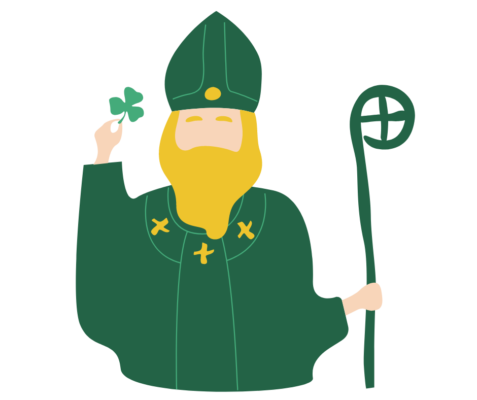
Green is everywhere on St. Patrick’s Day, but historically St. Patrick was often depicted wearing blue. Green became associated with the holiday later because…
- Ireland is known as the Emerald Isle
- The shamrock is green
- Irish nationalist movements adopted the color
Today, wearing green is simply part of the fun… and a way to avoid being playfully pinched!
5. Care for a Drink?
Today St. Patrick’s Day is often associated with celebrations and drinks. However, in Ireland the holiday was once a religious feast day, and pubs were actually closed by law on March 17th.
Now the celebration has grown worldwide, generating hundreds of millions in bar revenue each year.
(As always… celebrate responsibly!)
6. Why Is St. Patrick’s Day on March 17?
March 17 marks the day St. Patrick is believed to have died in the year 461. It also became his official feast day in the Christian calendar, marking it an important day to many Christians worldwide.
Some believe his remains are buried in Saul, Northern Ireland, where he founded one of his first churches.
7. How About those Four-Leaf Clovers?
Most clovers have three leaves, but occasionally one grows with four. Finding one is considered lucky. Your chances of finding a four-leaf clover are about… 1 in 5,000
Even rarer:
- Five-leaf clover: about 1 in 24,000
- Six-leaf clover: about 1 in 300,000
So, if you find one… you might want to keep it… I am not sure if the luck increases though 🙂
8. Leprechauns and Gold
Stories of leprechauns trace back to old Irish folklore, long before modern St. Patrick’s Day celebrations. Like many traditions connected to Christian holidays, small pieces of earlier pagan stories and beliefs often found their way into later celebrations.
Early depictions of leprechauns actually showed them wearing red, not green. Over time, however, the color green became closely tied to Ireland’s landscape and identity, and the image of the leprechaun (and St. Patrick) slowly changed along with it.
According to Irish legend, leprechauns are mischievous fairy shoemakers. Rather than stealing their gold, they are said to earn it by repairing shoes and carefully guarding their treasure. The stories say that if you manage to catch a leprechaun, he must reveal where his gold is hidden.
Of course… catching one might be the tricky part.
👉 That’s why many families enjoy building a Leprechaun Trap with their kids each year.
9. Don’t Forget the Corned Beef and Cabbage
Corned beef and cabbage has become one of the most famous St. Patrick’s Day meals, but it actually developed in America.
Irish immigrants living near Jewish communities discovered corned beef as a more affordable substitute for traditional Irish bacon, which was used during St. Patrick’s Day. While the corned beef was kosher and not exactly what they were used to, it was similar enough to those in the Irish community, that it became a staple.
The dish became popular in Irish-American communities and eventually became part of the St. Patrick’s Day tradition. This St. Patty’s Day dish has become a staple for the holiday, with the Reuben sandwich being a close second, but corned beef and cabbage didn’t come from Ireland.
👉 Check out my spin on Shepherd’s Pie, another notorious Irish dish!
🍀 Make St. Patrick’s Day Even More Fun
If you’re celebrating with kids or students, you might enjoy adding a few simple activities:
- Build a Leprechaun Trap
- Make a Handprint Pot of Gold craft
- Try a St. Patrick’s Day activity pack
- Bake some Irish Shortbread Cookies
A Little Irish Spirit
“Erin go Bragh” means Ireland Forever.
Whether you celebrate with crafts, food, history, or a little mischief from a leprechaun, St. Patrick’s Day is a great excuse to slow down and enjoy a bit of fun with the people around you.
If you have a favorite St. Patrick’s Day tradition, I’d love to hear it. Comment below or head over to Instagram or Facebook and share your fun St. Patrick’s Day pics, and tag me @bemandfam… I’d love to see them!
Happy St. Patrick’s Day!
BEM and Fam 🙂
👇 Save this one for later
PS. This post has some affiliate links, read more about those here.