
Snow Dough: A Fun Sensory Activity for Winter Learning
Fun Way for Winter Play!
While exploring the Arctic during our Canada unit, we decided to make arctic snow dough as a hands-on way to bring learning and play together.
Snow dough is often part of sensory bins… so maybe you’ve seen it. We started with a simple base recipe but added glitter for a little sparkle, totally optional, but fun.
This activity works beautifully for Arctic or Antarctic animal/region studies, winter sensory play, or even for kids who live where it doesn’t snow but still want a “winter” experience.
What You’ll Need to Make Snow Dough
You only need a few simple ingredients:
- Cornstarch (or corn flour if you’re in the UK)
- Oil (baby oil or vegetable oil… see notes below)
- White or clear glitter (optional)
A quick safety note
- Baby oil smells lovely, but if you have younger children who might put dough in their mouth, use vegetable oil instead.
- If your child is very young, skip glitter or use edible glitter.
Cornstarch + vegetable oil is generally safe if a tiny amount ends up in a mouth. Baby oil and regular glitter are not meant to be ingested.
❄️ How to Make Arctic Snow Dough

-
Measure 2 cups cornstarch into a bowl.
-
Add ⅓ – ½ cup oil to start
-
Mix in 3–4 tablespoons of glitter if using.
-
Stir and knead until it reaches a soft, moldable texture.
-
Play!

Helpful tips
- Start with less oil and add more if the dough feels too dry. You can go beyond the 1/2 cup and make a less crumbly dough. Go until you like the texture.
- If you want extra sparkle, feel free to add more glitter.
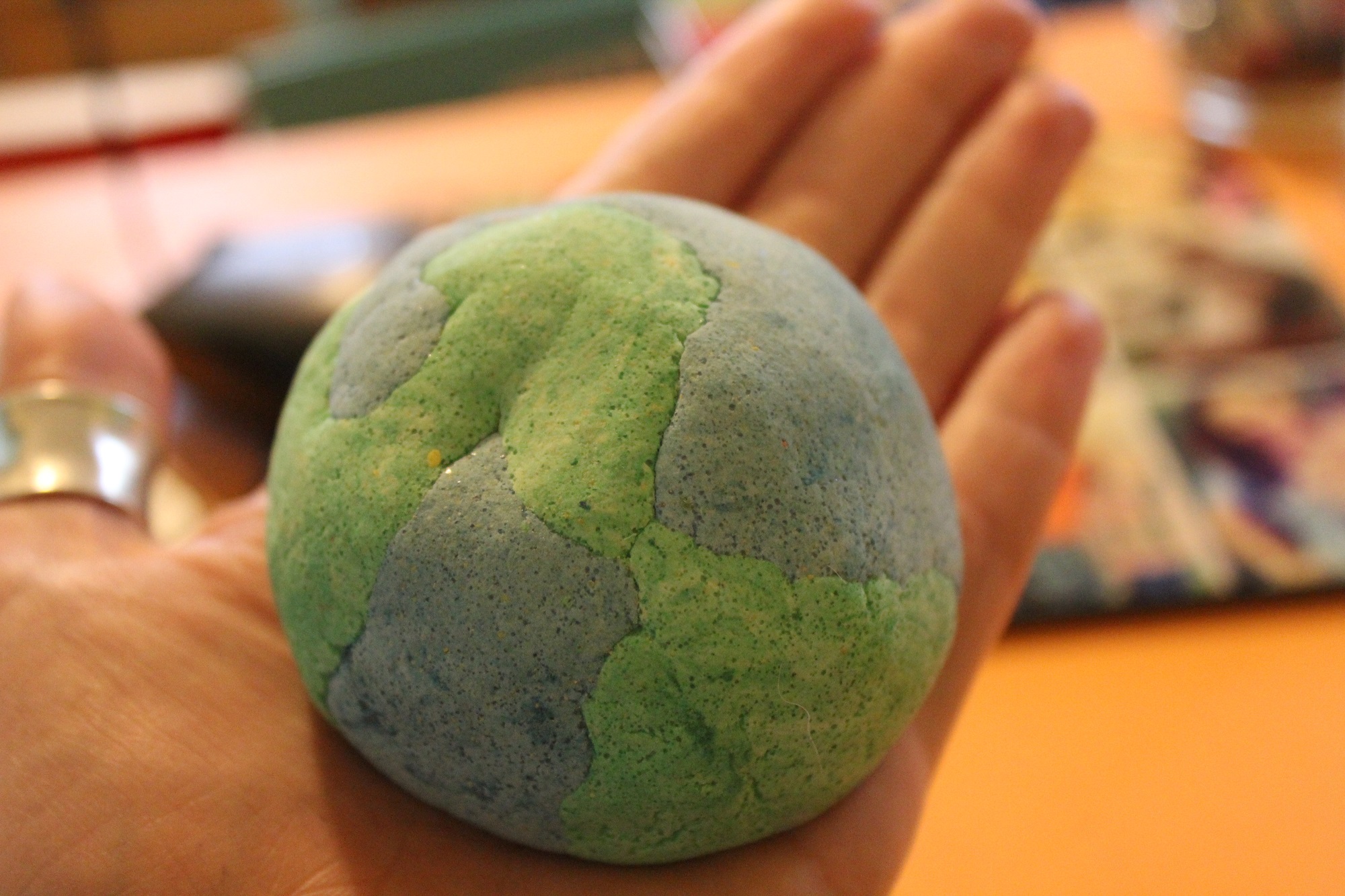
- You can divide the dough and tint part of it light blue to represent water… perfect for Arctic dioramas.
- White or opaque glitter works best. Silver glitter can give the dough a gray tone.
Storing Your Snow Dough
To store the dough, place it in an airtight container.
We’ve used:
- Pyrex containers with lids
- Plastic containers
- Zip-top bags (short-term)
Stored properly, it should stay usable for several days if not weeks
🧊 Time to Play

For playtime, I like to lay out:
- A cookie sheet or tray
- Wax paper or parchment paper
- Or a shallow plastic bin
Then I add animal figures and let the kids explore.

Because we were studying Canada, I focused on Arctic animals originally, but you could absolutely expand this to include Antarctic animals, like penguins, if you’re comparing regions.
Adding a picture book about Arctic animals alongside the play makes this activity even more meaningful and helps connect hands-on play with learning.
Extend the Fun: Winter & Arctic Favorites
If your kids enjoyed this snow dough activity, here are a few simple ways to build on it… whether you’re homeschooling, teaching, or just leaning into winter learning at home.
🐻❄️ Hands-On Arctic Science
Want to take this beyond sensory play? These activities pair beautifully with snow dough:
-
Blubber Experiment:
A simple science activity that shows how Arctic animals stay warm in icy water.
👉 Try the Blubber Experiment here -
Fluffy Snow Slime:
Soft, cloud-like slime that feels like real snow — a favorite for winter sensory days.
👉 Make Fluffy Snow Slime here
These together (snow dough, slime, and blubber) make an easy mini winter science unit.
☃️ Winter Learning Printables
For families who like having something structured to go along with hands-on activities, I’ve put together a Winter Activity Packet that works well alongside this.
- Includes seasonal learning pages and activities
- Easy to use for homeschool, classrooms, or quiet winter days
- Designed to be flexible, use what fits your week

👉 Browse the Winter Packet in my Etsy shop
🐧 Arctic & Antarctic Play Extras
Adding a few small extras can really elevate open-ended play:
- Arctic animal figurines (polar bears, seals, walrus, whales)
- Antarctic animals (penguins, if you’re comparing regions)
- A shallow tray or bin for sensory play
📚 Don’t Skip the Books
Pairing play with a story helps concepts stick. Even one or two books about Arctic animals can turn playtime into meaningful learning.
👉 See our favorite Arctic/Antarctic animal books and extras
A Cozy Winter Learning Flow
If you’re looking for an easy winter rhythm, this combo works well:
- Play with the sow dough
- Do the Winter Packet
- Read an Arctic/Antarctic animal book
- Try the blubber experiment
- Finish with snow slime
No prep-heavy planning, just learning that grows naturally from curiosity.
Final Thoughts
This is a win for slow days or just for fun! It is something that can be used in sensory play and for middle school dioramas. Teens like it too… my 17 year old son told me the other day about how much he loves the sound it makes… so the sensory isn’t just the touch.
If you try snow dough or any of the other activities… I’d love to see them! Share in the comments or tag me on Instagram and Facebook @bemandfam… it absolutely makes my day.
Stay Warm,
BEM and Fam 🙂
👉 Save This for Later
PS. This post has some affiliate links, read more about those here.